


High Noon For Rayner - A Gift Or A Grenade For Starmer?


At 11.00 today, Keir Starmer received a report on Angela Rayner’s behaviour relating to her purchase of a flat in Brighton – by 12.00 she was gone.
First reports confirmed Rayner had resigned both as Deputy Prime Minister and as Secretary of State for Housing, creating yet another major crisis for Starmer’s government after just 14 months in power.
It soon became apparent she had also resigned as Deputy Leader of the Labour Party, a position she was elected to by party members at the same leadership election which installed Keir Starmer.
The position she has held since 2020 is now shown as ‘vacant’ on Wikipedia.
Whether resigning from the deputy leadership was essential after the report, which concluded Rayner had 'shown integrity' despite making questionable decisions, or whether it has simply presented Morgan McSweeney, sorry…Keir Starmer, with what he always wanted – total control of the two-person Labour Party leadership – depends largely on your Starmerite credentials…
Whatever your standpoint, does this now mean an unwanted internal election for Starmer at a time when his government is frankly in chaos? Will he try to ‘crown’ rather than elect, a new Deputy Leader?
Or will he, with Party Conference just weeks away, move to table a vote to abolish the Deputy Leadership position altogether – avoiding any risk to his own position from a ‘stalking horse’ deputy ambitious for the keys to No10?
The resignation could be the best late birthday present Starmer ever got – or a promising-looking parcel that then blows up in his face.
Rayner stood down after Starmer’s independent adviser on ministerial standards, Sir Laurie Magnus, concluded an investigation into stamp duty paid on a flat she bought in Hove, East Sussex. She had paid £30,000 on the £800,000 property, rather than the £70,000 that would have been due had it been classed as a second home.
After the story broke this week, Rayner referred herself to Starmer's ethics advisor. This is the result.
Allies – of which she has few these days - say she acted on professional advice from several sources, but Magnus’ inquiry has left her position untenable. One conveyancing firm denied her claims and accused her of “scapegoating” its staff.
Rayner’s letter of resignation is cordial, detailed, and in many parts reads like a potted history of her history within the Labour Party and in Starmer’s government.

His handwritten reply, dashed off in blue ink, exudes excitement - and in some parts reads like a headteacher gleefully ticking off a pupil who has received - and merited - punishment...

The resignation removes a key political counterweight inside Labour’s top team. Rayner, who rose from a working-class background in Stockport to become the party’s second-ever Deputy PM, had initially built a loyal following among grassroots members – although many feel that she since ‘sold them out’.
Her departure creates new questions about Labour’s internal balance. Starmer must now decide whether to replace her as deputy prime minister and deputy leader, or whether to separate the two roles.
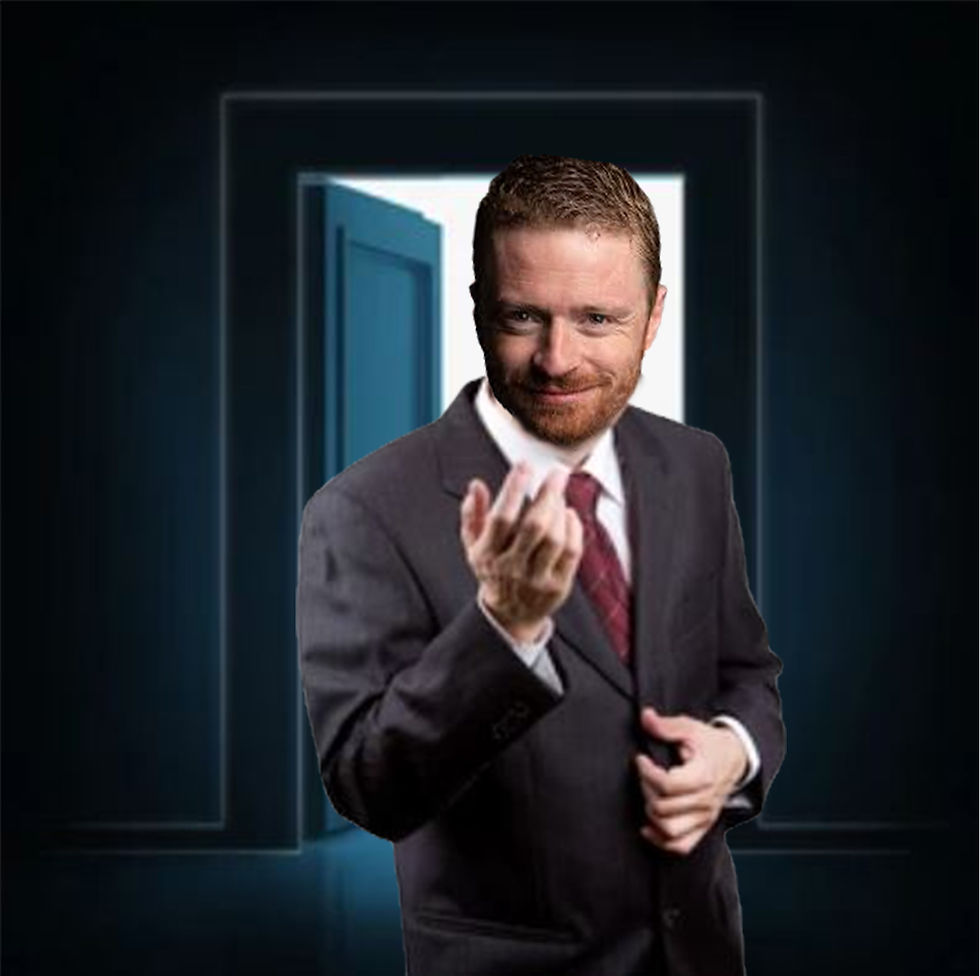
There is much speculation as to who will be the next Deputy PM, but despite this, the answer is plain; it’ll be whoever Starmer’s chief puppeteer says it’ll be.
The timing is politically toxic. Starmer will deliver a tough Budget in November that is expected to raise taxes to meet spending pledges on health, housing and social care. The sight of his deputy leaving office after underpaying tax by £40,000 blows a huge hole in his message of supposed “fairness and responsibility”.
Comparisons will inevitably be drawn with previous financial scandals like former Conservative chairman Nadhim Zahawi’s forced resignation in 2023 over his own tax affairs, which Labour used to highlight Tory sleaze.
Rayner is the 5th minister - so far - to resign from Starmer's government amid some form of controversy; she follows Louise Haigh, Tulip Siddiq, Andrew Gwynne, and Rushanara Ali - and the 11th person to leave a ministerial role since June 2024.
The episode has also harmed Rayner’s position as MP for Ashton-under-Lyne – many constituents have become disillusioned with her voting record on issues around welfare and the Gaza slaughter. There have even been rumours that Rayner was looking for the candidacy of another safe seat in the south – around Hove, perhaps…
Rayner’s fall also reflects a broader trend in British politics where questions of integrity around money and property dominate public trust. Housing has become one of the central crises of modern Britain, with home ownership rates falling and rents rising faster than wages. The fact that the cabinet minister charged with fixing housing policy has left office over a property deal will deepen public cynicism about political priorities.
Badenoch, Farage et al will point to Rayner’s case as proof that Labour cannot be trusted with economic responsibility. Yet it is also a reminder that rules around property wealth favour those with expert advice, while ordinary people pay tax automatically through PAYE with little chance of appeal.
If the episode prompts Labour to strengthen transparency rules for MPs and tighten enforcement on property wealth, it could in time help rebuild trust. But for now, the loss from Cabinet of someone who was once one of Labour’s most popular leftwing figures weakens the government just as it faces hard choices over who will pay for Britain’s future (Spoilers – it’ll be US…)
UPDATE:
Never one to miss an opportunity to get rid of perceived threats to his plans, Morgan McSweeney - sorry again, Keir Starmer - has used the resignation to have a bit of a reshuffle. Lucy Powell, who was often seen at northern events with Jeremy Corbyn was leader, has lost her position as Leader of the Commons and left government; the odious Scotland Secretary Ian Murray has also gone.
Comments